Military Documents
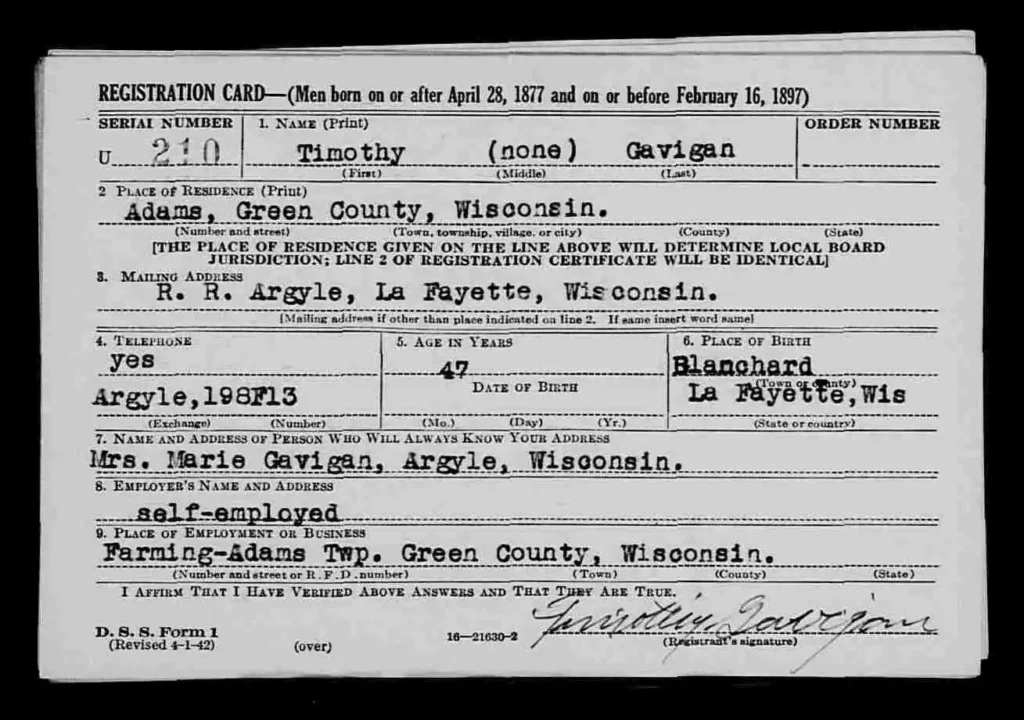
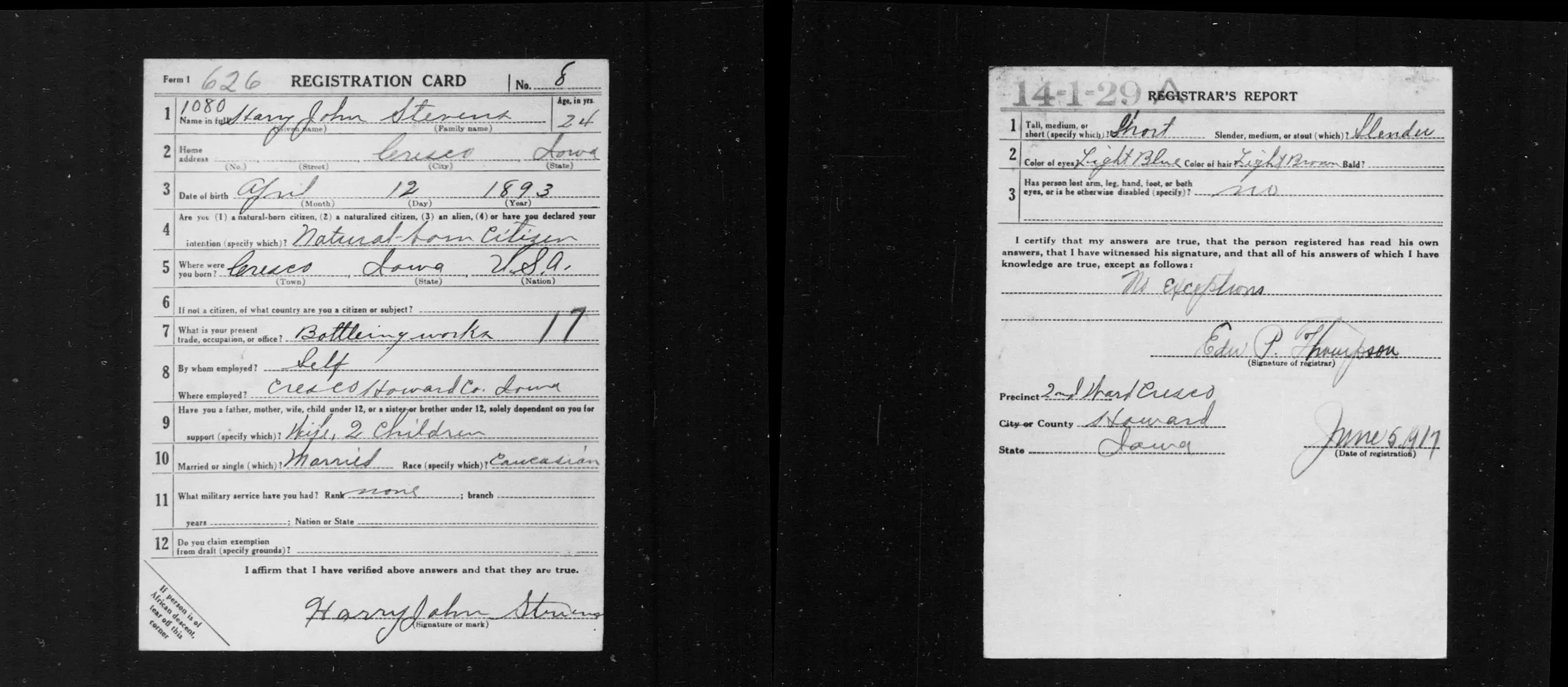
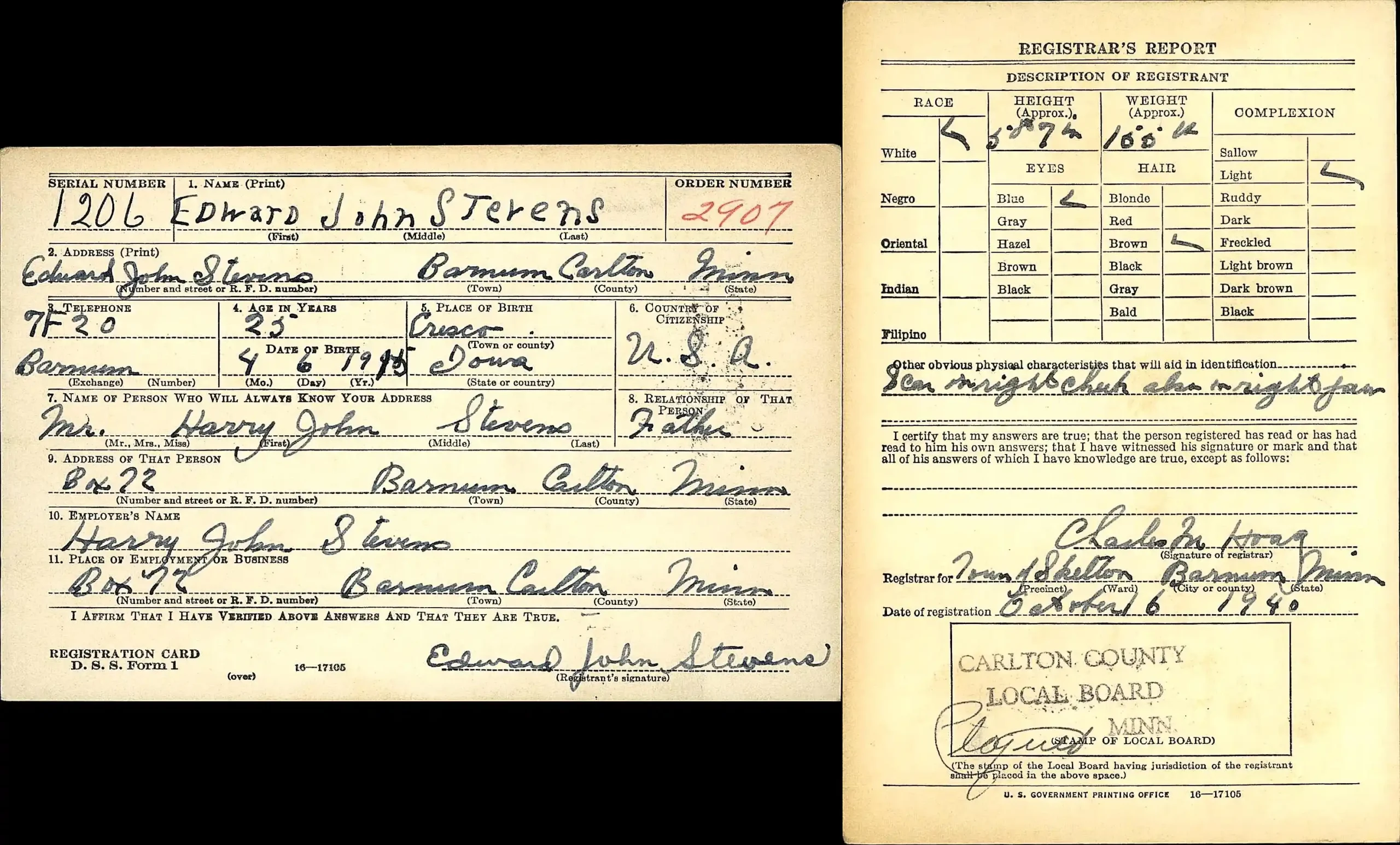
During most, if not all, wars the US was involved in (Civil war, Spanish American War, World War I, World War II, the Korean War, and the Vietnam War), US military personnel received various types of official documents related to their service. These papers served as records of their enlistment, training, assignments, medical history, and ultimately, their discharge. Enlistment papers detailed the terms of their service and oaths taken. Assignment orders documented their transfer to different units and locations, while service records chronicled their deployments, battles participated in, and any decorations or awards earned. Medical records tracked any injuries or illnesses sustained during service, as well as treatments received. Upon completion of their service, veterans received discharge papers, such as the DD Form 214 which became standard after WWII, which summarized their military career and were crucial for accessing veteran benefits and proving their service history. These documents collectively represented a vital record of a soldier’s contribution and sacrifice during these pivotal conflicts.






Genealogy (from Greek: γενεαλογία genealogia from γενεά genea, “generation” and λόγος logos, “knowledge”), also known as family history, is the study of families and the tracing of their lineages and history.