Vietnam War
June 25, 1950 ‑ July 27, 1953
The Vietnam War and the Wisconsin Soldier
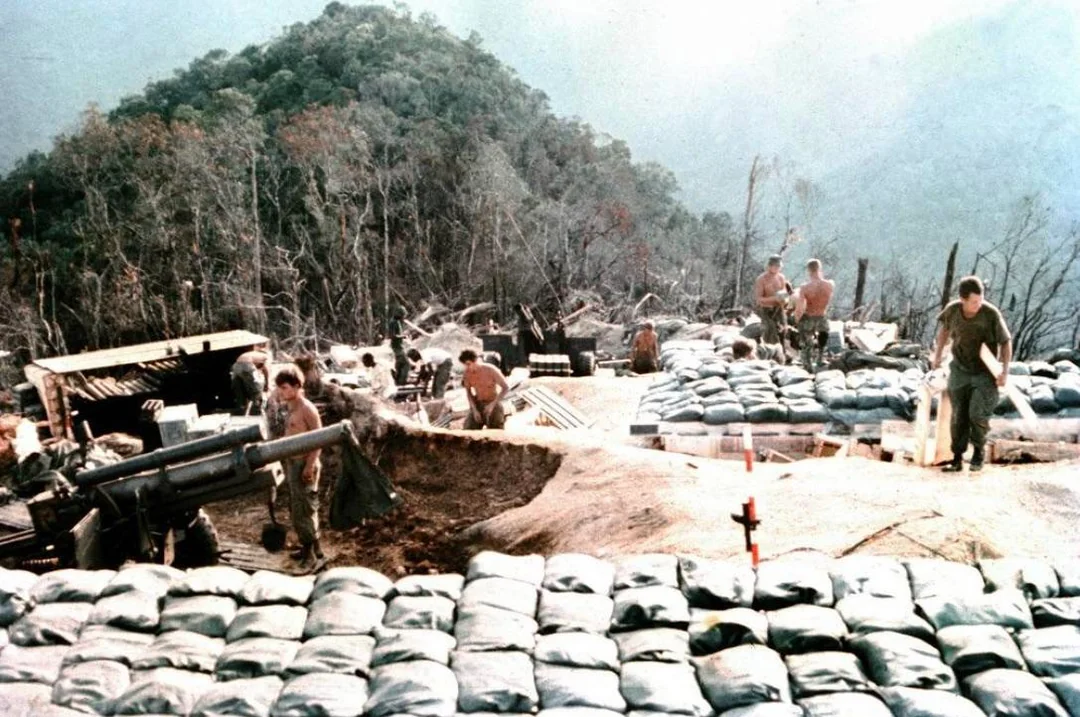
The Vietnam War—an increasingly brutal Cold‑War confrontation that stretched from the early 1960s until 1975—saw the United States move from advisory support to full‑scale combat after the Gulf of Tonkin Resolution in 1964. At its height, more than half a million American troops served in the jungles, rice paddies and urban centers of South Vietnam, confronting a determined North Vietnamese Army (NVA) and Viet Cong insurgency while grappling with a growing domestic anti‑war movement. The conflict demanded not only massive firepower but also an enormous pool of manpower, drawing soldiers from every state and territory, including the Upper Midwest.
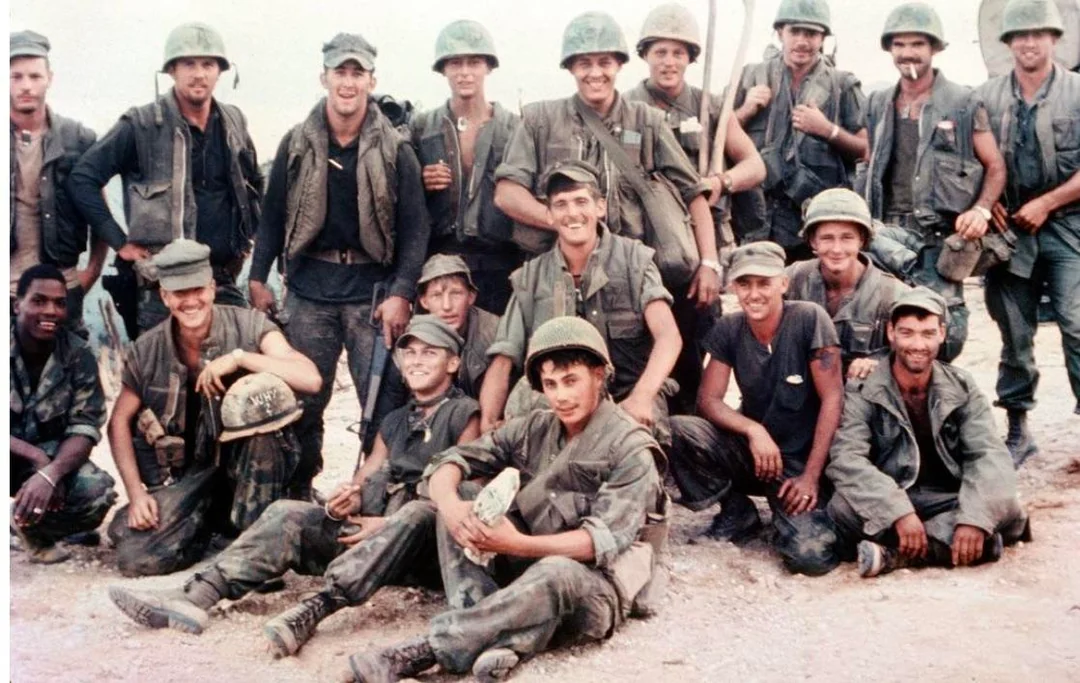
Wisconsin answered that call in proportion to its size. Over 6,000 Wisconsinites were deployed to Vietnam between 1965 and 1973—roughly one‑tenth of the state’s eligible male population at the time—making the Badger State one of the highest contributors per capita among the Union’s 50 states. These men served in a wide array of units, from the storied 1st Infantry Division (“Big Red One”) and the 101st Airborne Division to the 25th Infantry Division (“Tropic Lightning”). A notable contingent came from the Wisconsin Army National Guard’s 32nd Infantry Brigade, whose soldiers were attached to active‑duty divisions and fought in key operations such as the 1968 Tet Offensive, the 1970 Cambodian Incursion, and the 1971 “Operation Lam Son 719” in Laos. The 1st Battalion, 127th Infantry—often called the “Wisconsin Battalion”—served with the 101st Airborne in the Central Highlands, earning a reputation for aggressive patrolling and close‑quarter combat that helped blunt NVA advances along the A Shau Valley.
The contributions of Wisconsin troops were marked by both valor and sacrifice. By war’s end, 613 Badgers had been killed, more than 3,000 wounded, and another 1,200 listed as missing in action. Individual stories illustrate the breadth of their service: Sergeant James “Jim” S. Kelleher of the 1st Infantry Division earned the Silver Star for rescuing a downed helicopter crew under heavy fire near Dong Ha; Lieutenant Colonel Robert “Bob” G. Gillett commanded a combined arms task force that captured a major NVA supply depot at the Ho Chi Minh Trail’s “Cửa Việt” intersection; and Staff Sergeant Mary Beth Bruner, a member of the Women’s Army Corps, served as a medic in the 25th Division, treating combat casualties in field hospitals and later becoming a vocal advocate for veterans’ health care.
Beyond the battlefield, Wisconsin veterans helped shape the war’s legacy at home. The state’s “Wisconsin Vietnam Veterans Memorial” in Madison, dedicated in 1999, bears the names of the fallen and bears witness to the community’s ongoing efforts to honor, support, and educate about the conflict. In classrooms, museums, and public forums, former Badgers share their experiences, ensuring that the lessons of Vietnam—both the strategic missteps and the human cost—remain a living part of American memory. Their service stands as a testament to the state’s commitment, resilience, and the complicated nature of a war that forever altered a generation.