World War One
1914 - 1918
World War I and the Wisconsin Soldier
When the United States entered World I in April 1917, the nation mobilized more than two million men to fight in a conflict that had already reshaped Europe’s political map. The war, sparked by the assassination of Archduke Franz Ferdinand in 1914, soon turned into a brutal stalemate of trench warfare, massive artillery bombardments, and new technologies such as tanks, poison gas, and aircraft. By the time American forces arrived on the Western Front, the Allies were exhausted and the German offensives were faltering; the fresh influx of U.S. troops provided the decisive manpower and morale boost that would help bring the conflict to a close in November 1918.
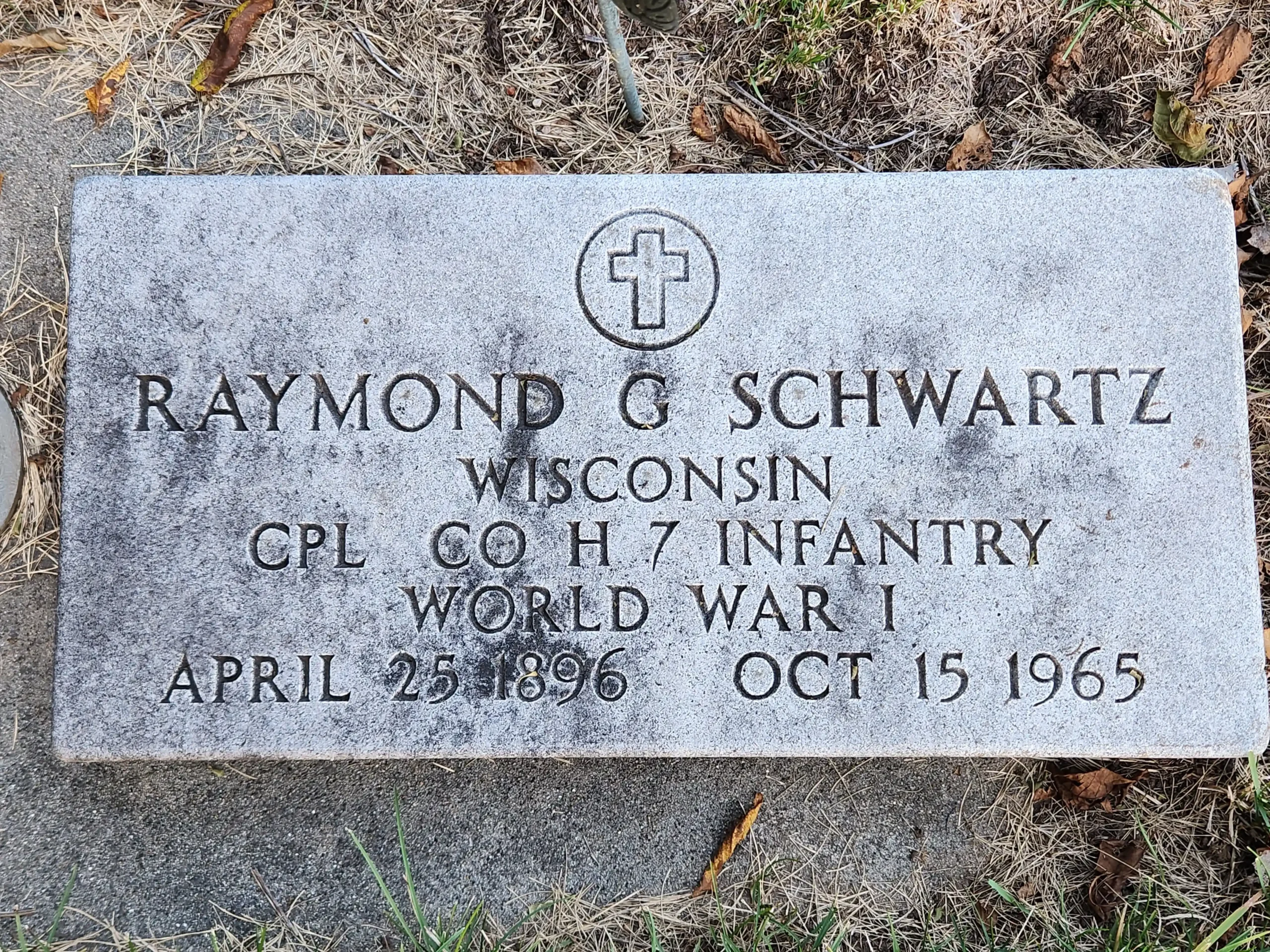
Wisconsin answered the call with remarkable speed and vigor. Within weeks of the declaration of war, the state’s National Guard units were federalized and reorganized into the famed 32nd Infantry Division, known as the “Red Arrow” for its relentless thrust through enemy lines. Drawing heavily from the state’s diverse population—German‑Americans, Scandinavian immigrants, and men from the iron‑rich industrial towns of Milwaukee and the dairy farms of the west—Wisconsin’s soldiers embodied the blend of rugged frontier spirit and industrial discipline that defined the American Expeditionary Forces.
The Red Arrow Division saw its first major combat during the Champagne‑Marne offensive in July 1918, where it helped blunt the last major German push. It then earned a reputation for breaking through fortified positions during the Meuse‑Argonne Offensive, the largest American operation of the war, in which Wisconsin troops fought from the cliffs of the Argonne forest to the banks of the Meuse River. Their tenacity earned the division eleven Medal of Honor citations and a reputation that endured long after the armistice; the “Red Arrow” became a symbol of American perseverance and a point of pride for the Badger State.
Beyond the battlefield, Wisconsin’s home front contributed essential supplies—cheese, meat, and lumber—to feed and equip the troops, while factories in Milwaukee turned out artillery shells and machine‑tool parts at unprecedented rates. The war also spurred social change within the state, as returning veterans brought back new ideas about labor, education, and civic participation, shaping Wisconsin’s progressive politics in the 1920s and beyond. In sum, Wisconsin’s soldiers not only fought valiantly on European soil but also helped forge a post‑war American identity rooted in collective sacrifice and a commitment to a more just, democratic world.